Not Just a Game: Why Inclusive Sports Are a Civil Rights Fight

We don’t talk enough about the civil rights crisis happening in our school gyms.
While athletics are seen as a vital part of youth development, millions of students with disabilities are still being pushed to the sidelines. It’s unlawful.
Inclusion is a Legal Right, Not a Luxury:
In 2013, the U.S. Department of Education’s Office for Civil Rights issued a landmark directive: schools must provide equal opportunities for students with disabilities to participate in extracurricular athletics. This followed decades of civil rights legislation, including:
Section 504 of the Rehabilitation Act (1973)
Title II of the Americans with Disabilities Act (1990)
These laws demand full, equal access. They are not recommendations. They are requirements.
And yet, in Florida, less than 20% of public school districts offer adaptive sports programs (WUFT & Center). We’re failing a generation of young people, and the cost is more than missed games.
What’s Holding Us Back?
Lack of awareness:
Many educators and administrators aren’t aware that these programs are legally required.
Inadequate funding:
Schools often claim budget limitations without seeking available grants, partnerships, or models for inclusion.
No accountability:
With no state mandate in Florida, inclusion becomes optional, and optional rarely means equitable.
What Needs to Change, And How We Can Change It.
Enforce Federal Law: We already have the laws. Now we need bold enforcement. Parents, advocates, and students must hold school districts accountable for denying access.
Pass Statewide Mandates: Florida must join states like Maryland and Minnesota in requiring inclusive athletic options across every district. This isn’t about winning medals, it’s about equity.
Fund Inclusion: Provide grants, training, and infrastructure for inclusive programs. Pay coaches. Equip schools. Invest in ALL students.
Youth-Led Advocacy: Movements must come from within, led by young people, athletes, and allies. That’s what My Game My Voice stands for.
This is About Justice. This is About Belonging.
We don’t need to wait for permission to include people. We need to demand a world where inclusion is the default, not the exception.
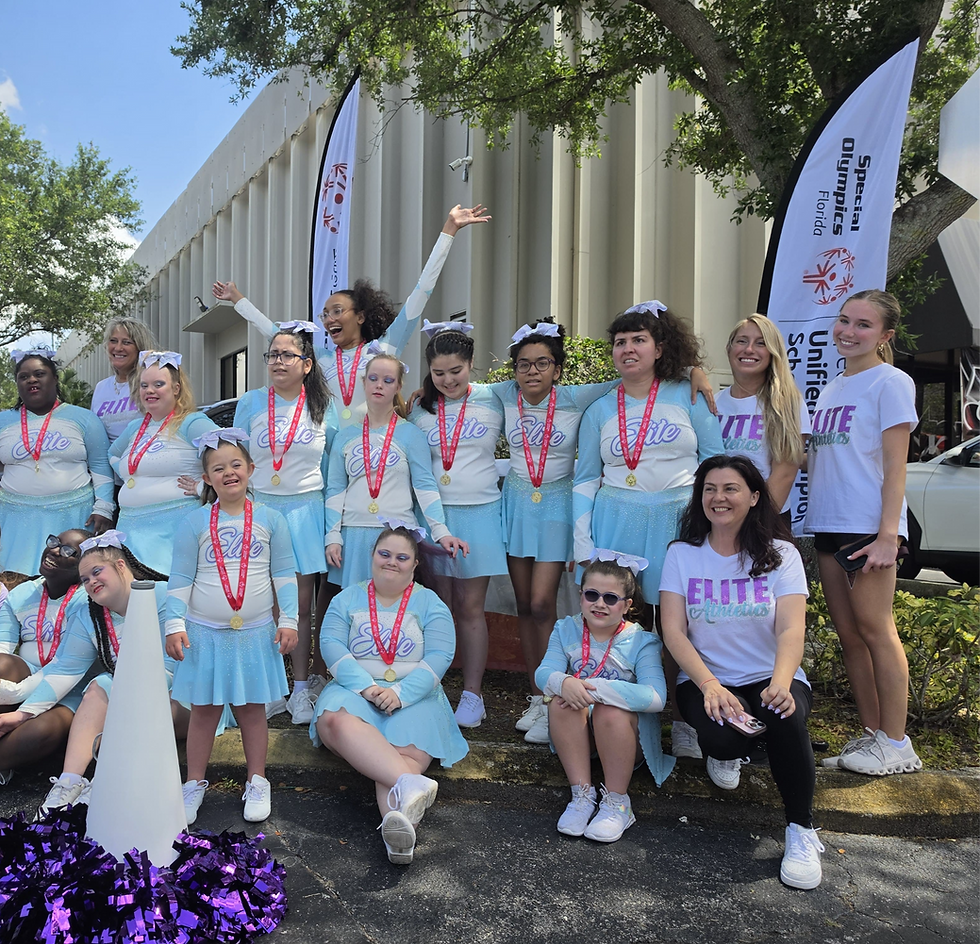
Inclusive sports aren’t “special.” They’re essential. The next generation of leaders, teammates, and change makers is already here, waiting to be seen, heard, and given the chance to play.
Let’s make that happen.Together.


Comments